Cyanika Border Post – Essential Uganda-Rwanda Crossing Information
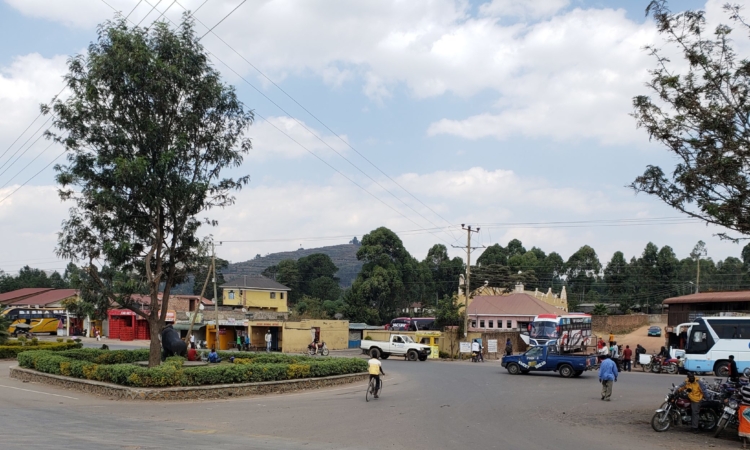
Cyanika is one of the border crossings between Uganda and the Republic of Rwanda. It is located in the southwestern part of Uganda and the northwestern part of Rwanda. On the Ugandan side, it is found in Kisoro District, while on the Rwandan side, it is in Burera District.
This border has helped promote tourism because it is easy to cross, thanks to the Migration Information and Data Analysis System (MIDA). This system collects, processes, stores, and analyzes information to make border crossing faster and more organized.
The Cyanika border is managed by the Uganda Revenue Authority and the Rwanda Revenue Authority on each side. These two offices work together to make sure that tourists can cross without many delays. If you are using a safari guide or driver, they can help you with the immigration process since they are experienced with border procedures.
Crossing between the two countries became easier with the introduction of the East African Single Tourist Visa. It is best to apply for this visa before your travel dates to avoid delays or disappointment. The visa is valid for 90 days. Once it expires, you are not allowed to extend your stay in East Africa. Other documents required at this border include a valid passport, national identity card, or student ID (for East Africans). A temporary travel document can also be given to East African citizens who do not have passports.
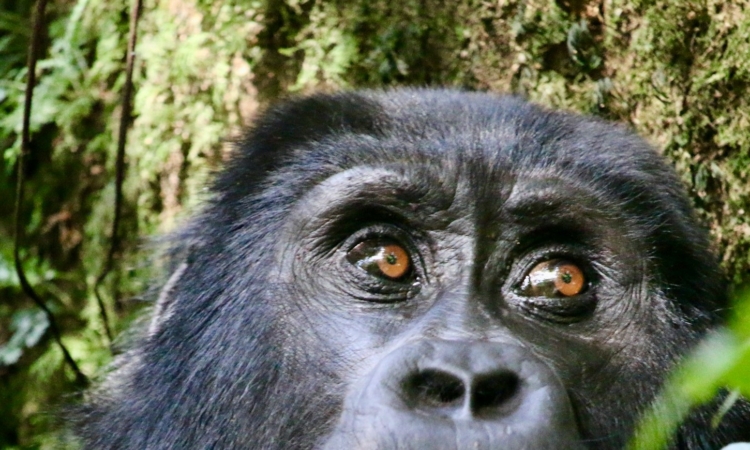
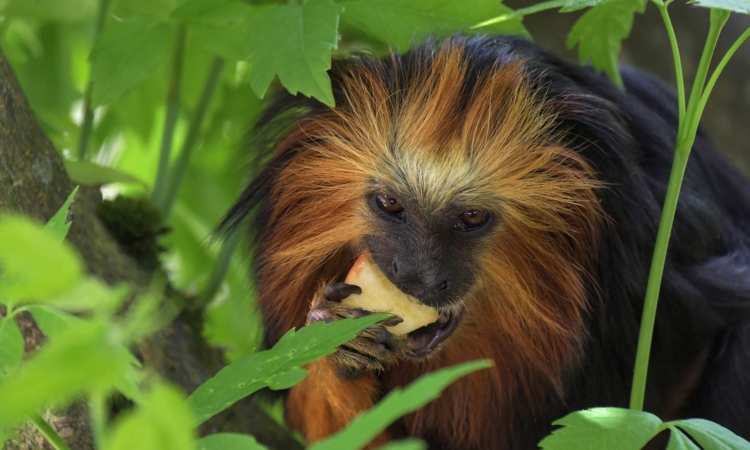
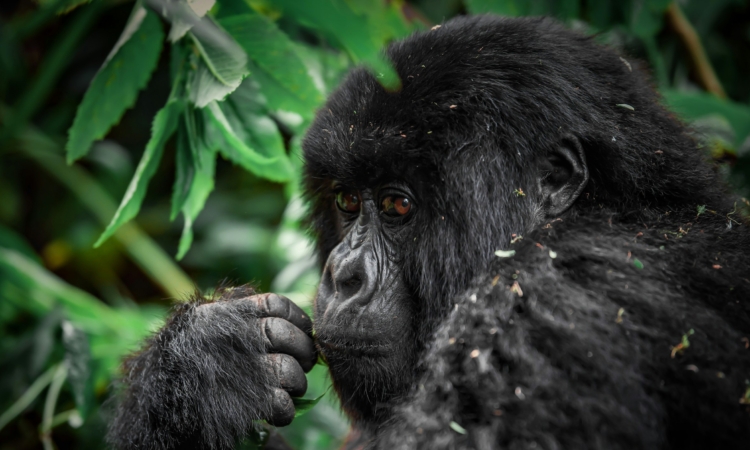
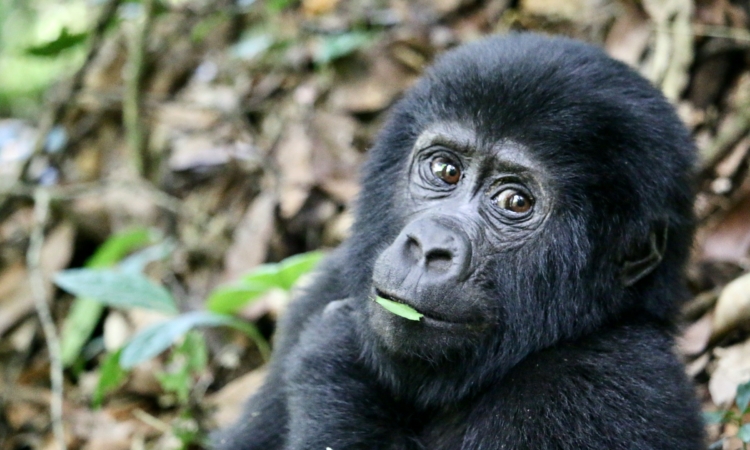
One of the main advantages of using the Cyanika border is that it is less busy than the Gatuna/Katuna border. It also offers easy access to two major tourist destinations in Uganda: Bwindi National Park and Mgahinga National Park. These parks are known for mountain gorillas, and Mgahinga is also home to the rare golden monkeys.
Tourists going for gorilla trekking or habituation tours in Bwindi National Park often use the Cyanika border. It is the most convenient crossing point, especially if you are visiting the Rushaga sector of Bwindi.
On the Rwandan side, Cyanika is close to Burera town, which is another tourist destination in this “country of a thousand hills.” Burera District is known for its twin lakes—Burera and Ruhondo—and its closeness to Volcanoes National Park. This park is famous for endangered mountain gorillas and golden monkeys. You can also hike to Dian Fossey’s tomb, visit the Musanze caves, and enjoy other interesting activities while in the park.
Gorilla trekking is the main tourist activity that takes place across the Cyanika border. Visitors can spend one hour with a gorilla family during the trek, but the full experience may take 2 to 6 hours. You will get the chance to watch the gorillas feed, groom their young ones, and see the silverback lead the group.
This adventure can be combined with other activities such as visiting nearby lakes like Lake Bunyonyi, Lake Mutanda, and Lake Kivu. You can also join cultural tours like the Iby’iwacu Cultural Village or visit the Batwa community. These experiences will give you a deeper look into the traditional African way of life.
At the border, you may be asked to hand in your travel bags for a security check on both the Ugandan and Rwandan sides. You will receive a stamp in your passport once you are cleared.
The Cyanika border opens at 06:00 and closes at 20:00. It does not operate 24 hours a day.
How to Get to Cyanika Border Post
From Kigali, the capital city of Rwanda, it takes about 4 to 5 hours to reach the Cyanika border. From Kampala, the capital city of Uganda, the drive takes about 9 to 10 hours.
If you are crossing between Uganda and Rwanda, there is no need to take a flight. Just relax and let your safari guide help you cross the border smoothly, without stress.
Booking Your Trip Now
If you want to tailor your tour by adding more days or destinations, please reach out to us through our main contact page using the button below.