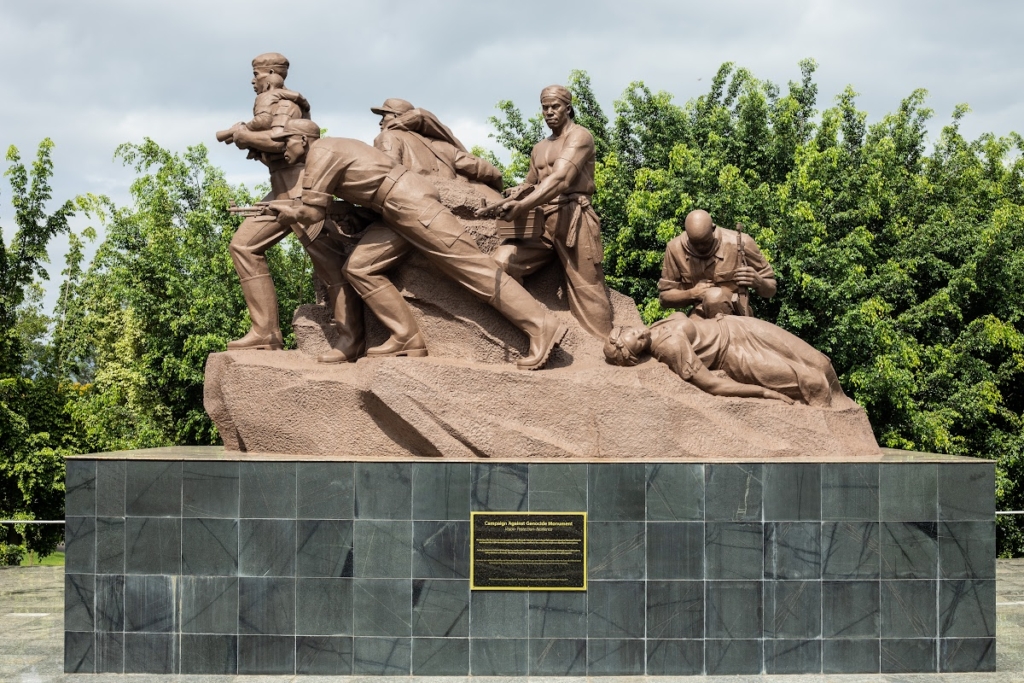
The Rwanda Liberation Museum keeps the memories and stories of the great effort that ended the 1994 genocide between the Hutu and Tutsi. The Rwanda Patriotic Front (RPF) and the Rwanda Patriotic Army (RPA) stood in the gap and fought against the genocide. Today, the freedom enjoyed in the country is a result of their sacrifice. This museum shows the hard work they did by displaying events that happened before 1990 and during the 1994 struggle.
Some of the exhibits include tools used by the chairman of the group, which helped protect his life while hiding in a bunker. That same man is now the President of Rwanda, known as His Excellency Paul Kagame. Many people still respect and thank him for his selfless heart and love for others. The museum also keeps important documents, such as the Arusha Agreement and the records of the Campaign Against Genocide. Items related to the RPA and RPF are also preserved, so future generations can learn about what happened.
The museum is about 80 kilometers from Kigali, located in the Gicumbi District at Mulindi. It tells the powerful stories of brave people who left their families and entered the battlefield to stop the violence that had spread across the country. Mulindi, in the Northern Province, was once the political headquarters and a commercial center for the RPF during the struggle. These soldiers helped restore peace to Rwanda.
The museum welcomes visitors from all over the world. It is open from 11:00 a.m. to 6:00 p.m. When you arrive, you will be given a short briefing about why the army was created in 1987 and how they entered Rwanda three years later. Visitors are also taken to the bunkers where the soldiers once hid and later came out to fight. Their efforts played a big role in ending the genocide that took thousands of lives.
If you have time, you can also visit other museums such as the Ethnographic Museum, the King’s Palace Museum in Nyanza District, and the Rwanda Art Museum. These places share stories of the genocide through paintings, sculptures, and cultural displays. Many tourists visit to admire the art and support the survivors and orphans with donations.
The Rwanda Liberation Museum is one of the top eight tourist places you should visit while in Rwanda.